Method vs Seventh Generation (2026): Which Eco-Friendly Cleaning System Is Actually Best?
This post contains affiliate links. If you buy through them, we may earn a small commission at no extra cost to you.
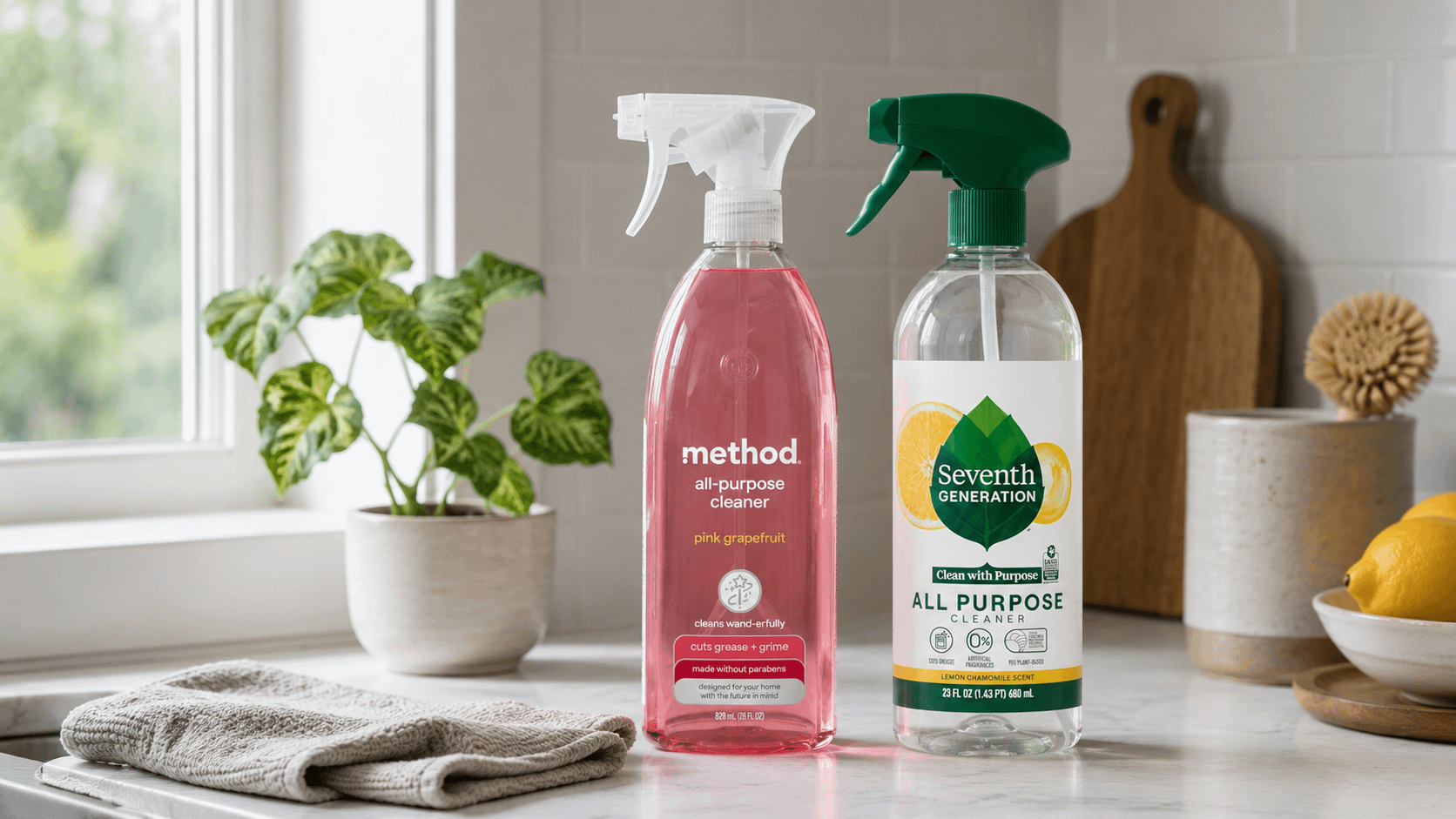
Method vs Seventh Generation is a common comparison for anyone trying to choose safer, eco-friendly cleaning products that still work well around the home. Switching to eco-friendly cleaning products sounds simple, until you realize not all “green” cleaners perform the same.
Some are safe but weak. Some are powerful but not fully eco. And some newer systems completely rethink how cleaning works altogether.
What many homeowners don’t realize is that “eco-friendly” is not a strictly regulated term. While certifications like EPA Safer Choice, USDA BioPreferred, and Leaping Bunny (cruelty-free) help guide consumers, brands can still vary widely in formula strength, ingredients, and environmental impact. That’s why real-world performance matters just as much as label claims. In this guide, I’ll break down:
- The real differences between Method and Seventh Generation
- The newer systems outperforming both
- And the best-selling Amazon products by use case (so you can actually build a working system)
Method vs Seventh Generation: What Actually Differentiates Them?
Before you build a cleaning system, it’s important to understand how these two dominant eco brands compare:
Seventh Generation focuses heavily on safety, ingredient transparency, and plant-based formulations. Many of their products avoid synthetic fragrances and prioritize biodegradability. This makes them a strong choice for families with kids, pets, or sensitivities.
Method, on the other hand, leans more toward design, scent experience, and cleaning performance. Their formulas are still plant-based, but often include stronger surfactants that improve grease-cutting and surface cleaning effectiveness.
In simple terms: Seventh Generation = safer and more minimal. Method = stronger and more performance-driven. That trade-off is exactly why relying on just one brand often leads to frustration.
Quick answer
- Safest overall: Seventh Generation
- Best performance: Method
- Best long-term refillable system: Blueland or Branch Basics
The best real-world solution is a hybrid setup. No single cleaner performs well across every surface and every type of mess. Grease, mineral buildup, soap scum, and everyday grime all call for different approaches, so a “one bottle does it all” plan almost always underperforms.
How to build an eco-friendly cleaning system
Think of your cleaning setup the way professionals do: task-specific eco-friendly cleaning products organized by job, not by brand loyalty.
Kitchen: everyday surface cleaner
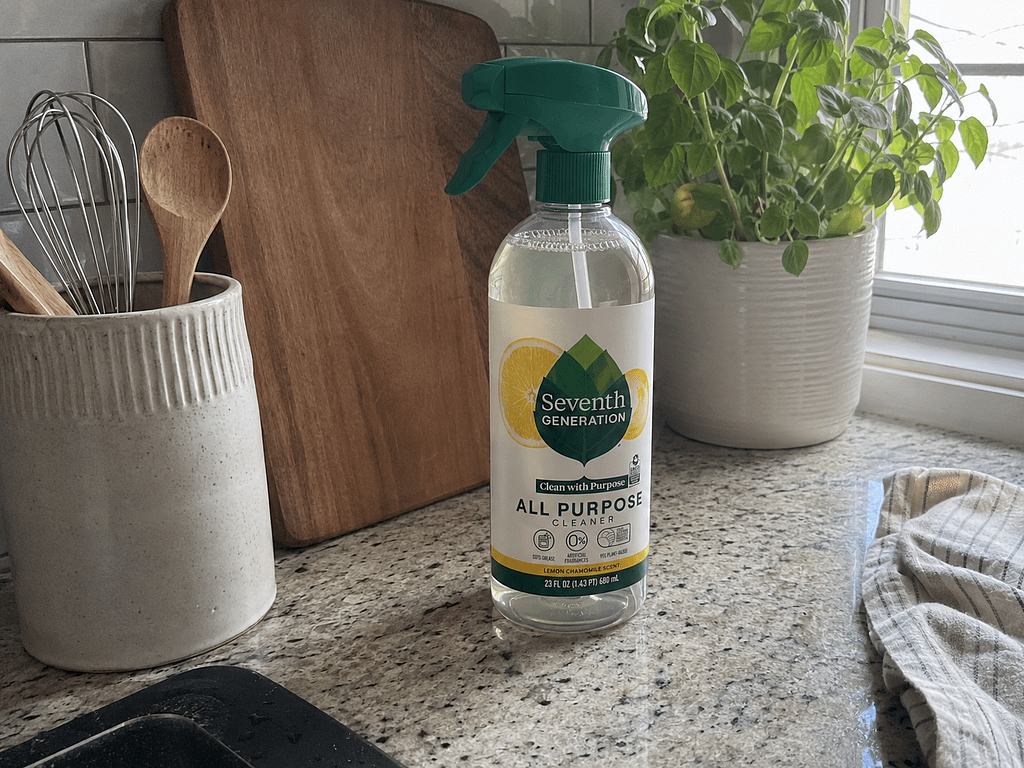
Our top pick: Seventh Generation All-Purpose Cleaning Spray, Lemon Chamomile
Why this works:
- Plant-based formula that is gentle around food-prep areas
- Cuts everyday grease and grime on counters and tables
- Light, fresh scent without anything harsh
This is the cleaner you reach for daily on kitchen surfaces. It keeps things wiped down and fresh between deeper cleans.
Want something that keeps working after you wipe? The Seventh Generation Ultra Deep Probiotic Multi-Surface Cleaner uses probiotic technology to help break down grease and grime on hard surfaces over time, which makes it handy for high-touch spots like doorknobs and light switches.
Kitchen: heavy-duty degreaser

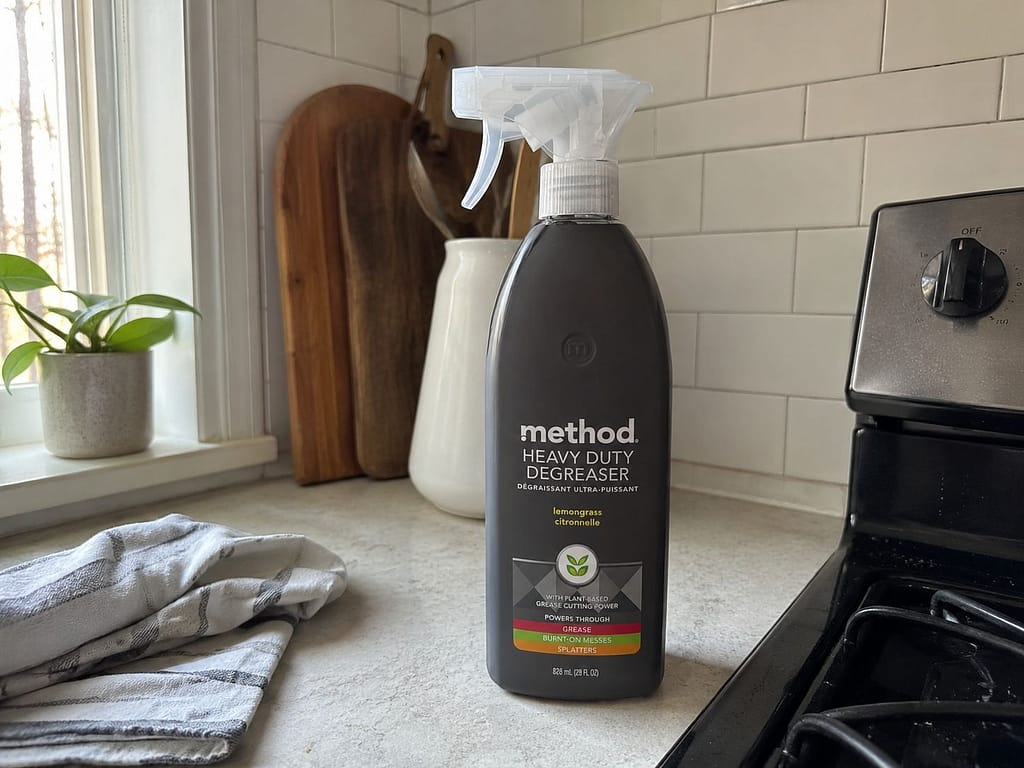
Why this works:
- Cuts grease fast on stovetops, cabinets, and range hoods
- Outperforms most eco competitors in real use
- Clean lemongrass scent that is not overpowering
Grease needs stronger surfactants than ordinary dirt. Method’s formula uses plant-derived cleaning agents that still break down oils, something a lot of “pure” eco brands struggle with.
Bathroom: daily cleaner
Our top pick: Method Bathroom Cleaner, Eucalyptus Mint
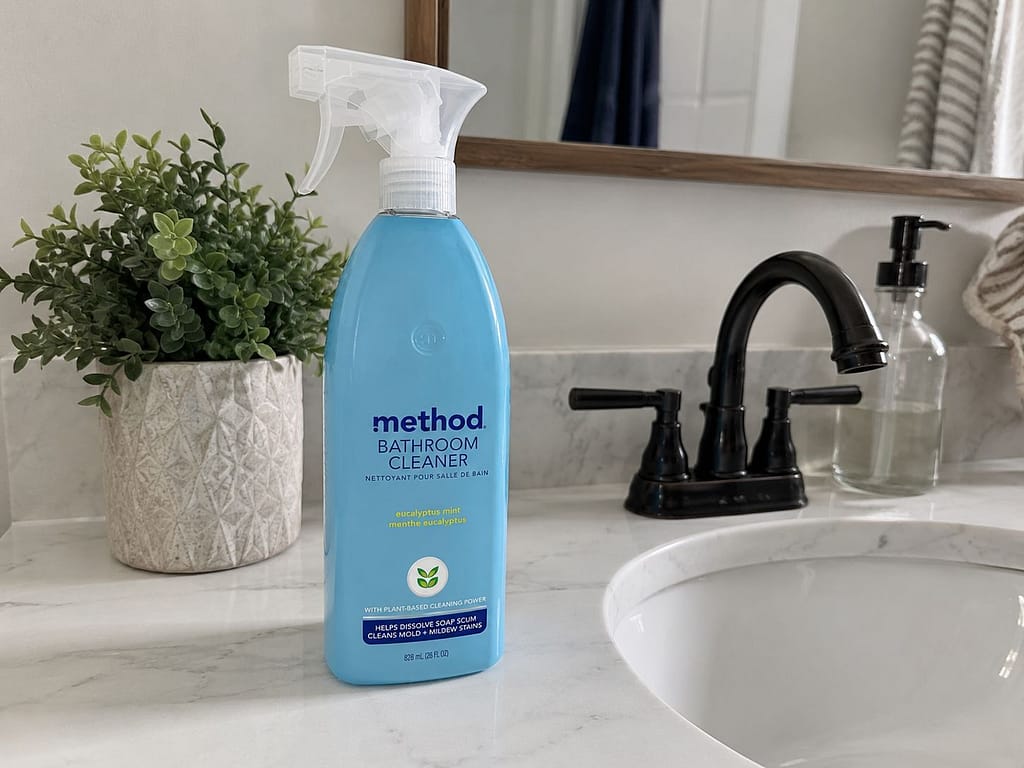
Why this works:
- Dissolves soap scum quickly
- Helps remove mold and mildew stains
- Great for everyday upkeep
A natural bathroom cleaner like this is about prevention, not heavy lifting. Using a lighter cleaner consistently means you reach for the strong stuff far less often, which is better for your home and the planet.
Bathroom: limescale and hard-water remover
Our top pick: Ecover Limescale Remover (2-pack)
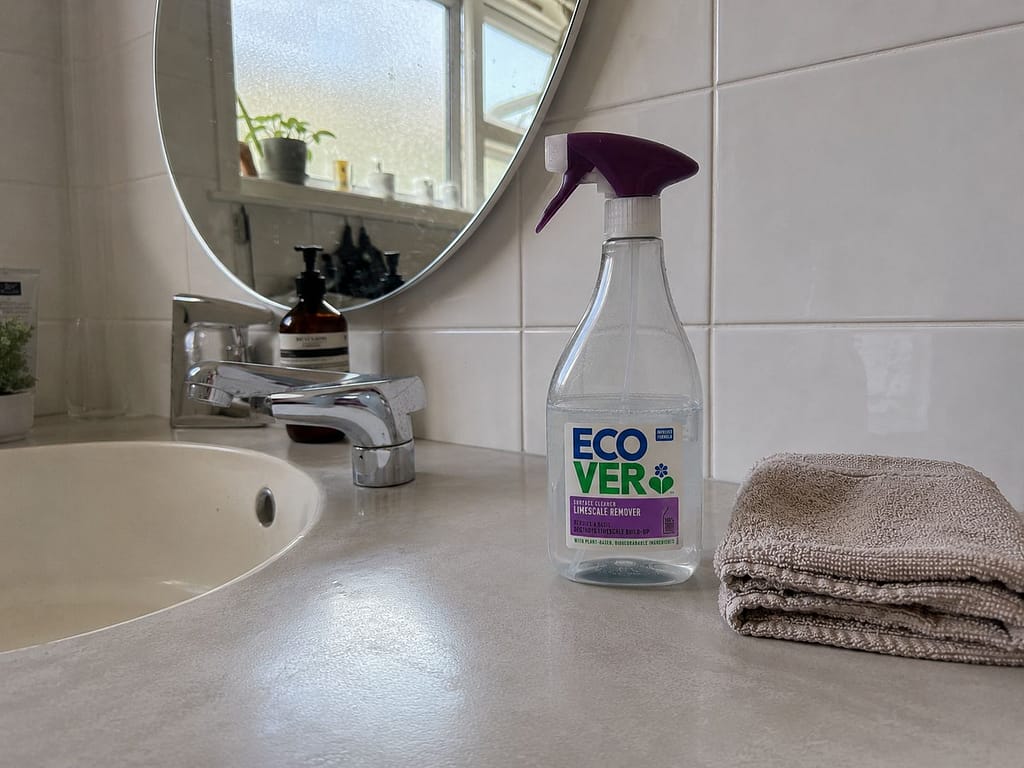
Why this works:
- One of the few eco cleaners that actually tackles mineral buildup
- Works on glass shower doors, fixtures, and tile
- Plant-based acids that still cut through hard-water stains
Hard-water stains are mineral-based, so they need a mild acid to dissolve. Many eco cleaners lack the acidity to do it, but Ecover formulates with plant-based acids that perform.
For lighter, day-to-day cleaning you can pair it with the Ecover Bathroom Cleaner (500 ml), a gentler natural bathroom cleaner for surfaces that do not have heavy buildup yet.
Whole house: all-purpose cleaner
Our top pick: Method All-Purpose Cleaner, Pink Grapefruit
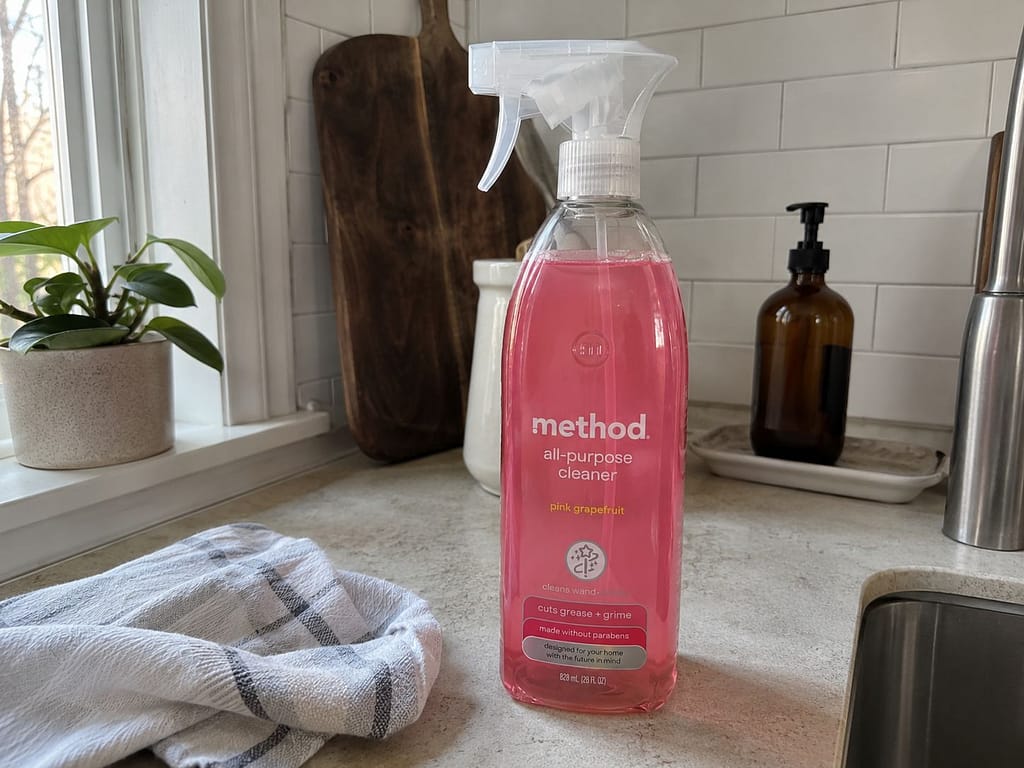
Why this works:
- A favorite eco all-purpose cleaner on Amazon
- Great on counters, tables, and cabinets
- Leaves no film or residue
This is your maintenance backbone, the cleaner you will use most often. A good all-purpose pick should be safe, fast-drying, and versatile.
Going through it quickly? Grab the Method All-Purpose Refill, Pink Grapefruit (68 oz) to refill your spray bottle, save money, and cut down on plastic.
How these eco cleaners work together
Most people buy one eco cleaner and hope it covers everything. It does not. Instead, think of your setup as a small system where each product solves a different problem.
| Area | Product type | Why |
|---|---|---|
| Kitchen | Surface cleaner | Everyday wipe-downs |
| Kitchen | Degreaser | Oil and cooked-on residue |
| Bathroom | Daily cleaner | Maintenance |
| Bathroom | Limescale remover | Hard-water buildup |
| Whole home | All-purpose | Everyday cleaning |
This job-based approach mirrors how professional cleaning services work, and it improves results while keeping things eco-conscious.
Why newer refill systems are gaining ground
Brands like Blueland and Branch Basics go a step further with refills and concentrates. This cuts plastic waste and the impact of shipping water-heavy bottles. Tablet and concentrate systems reduce packaging significantly, and reusable bottles bring the long-term cost down. They take a little more setup, but they are worth a look if sustainability is your priority.
Refillable all-rounder: Blueland
Our top pick: Blueland Multi-surface Cleaner Starter Set
A reusable spray bottle plus refill tablets you mix with water. Simple, low-waste, and good for general surfaces.
Concentrate system: Branch Basics
Our top pick: Branch Basics Cleaning Essentials Kit
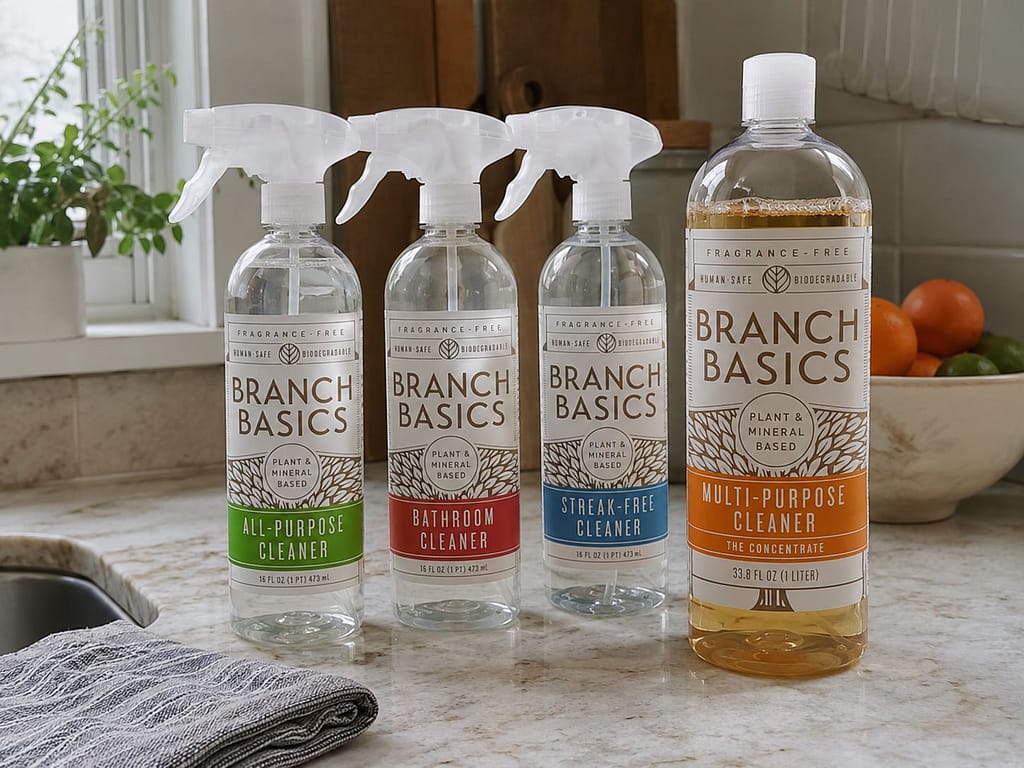
One human-safe concentrate that dilutes into all-purpose, glass, and bathroom cleaners. A strong choice for sensitive households.
For a fuller setup, the Branch Basics Premium Starter Kit adds foaming wash and a laundry bottle for a near-complete home system from one concentrate.
Build your eco-friendly cleaning kit
A quick-reference shopping list of everything above:
Kitchen
- Surface cleaner: Seventh Generation Lemon Chamomile
- Longer-lasting surface option: Seventh Generation Ultra Deep Probiotic
- Degreaser: Method Heavy Duty Degreaser
Bathroom
- Daily cleaner: Method Bathroom Cleaner
- Limescale: Ecover Limescale Remover
- Everyday option: Ecover Bathroom Cleaner
Whole house
- All-purpose: Method Pink Grapefruit
- Refill: Method Pink Grapefruit 68 oz
Low-waste refill systems
In the End
The real insight from comparing Method vs Seventh Generation is not which one is “better.” It is that neither is complete on its own. For a home that is genuinely clean, safe, and eco-conscious, the smart move is combining Seventh Generation for gentle everyday cleaning, Method for performance, and a few specialized products for problem areas. That balance of health, effectiveness, and sustainability is exactly what eco-friendly cleaning products should deliver.