
Moving and Packing Tips: What You Need to Know Before You Move Your Home | Part 1
You know, the best moving and packing tips don’t start with bubble wrap and tape. They start with a few honest questions. Whether you’re still touring homes or already have the keys in hand, it all begins the same way.
Before you pull a single box from the garage or call a single moving company, sit down and answer three questions. Your answers will shape every decision that follows: what you pack, how you label it, who touches it, and whether it survives the trip.

1. How Far Are You Going? Long Distance Moving Tips Start With the Drive
Distance is the first filter. A local move and a cross-country move are not the same operation dressed in the same boxes. They require fundamentally different approaches to packing, organization, and sequencing.
For a short move, you control the road. You know the route. You can prioritize unpacking order over packing efficiency, grouping items by room or function so your first night in the new place feels livable rather than chaotic.
For a longer move, or one where your belongings will ride in a truck you’re not driving, possibly overnighting in a warehouse or parking lot, pack as though you’ll never see the road those things travel. You won’t know how many speed bumps, sharp turns, sudden stops, or heavy, damp rainstorms are between you and your destination. Pack accordingly.
Honestly, the best moving and packing tips for a long haul all come back to this. Most long-distance moving tips you’ll ever read come down to packing for a journey you can’t watch.
Distance also changes how you think about materials. Cardboard boxes are fine for a short move. For anything longer or bound for storage, seriously consider plastic moving crates with locking lids. Roaches love cardboard and get in easily, especially through open handle holes.
And cardboard degrades: a client of mine packed expecting a two-week move that stretched past six months, and by the time those heavy cardboard boxes came out of storage, they were sagging and compromised. Plastic crates don’t do that.
One more thing on distance: if you’re moving overseas, you won’t see the inside of that customs warehouse. You won’t know what came through before your shipment, what insects (or worse) hitched a ride in other boxes, or what your things were stacked under. Pack for that uncertainty, even if the journey feels routine from where you’re standing.
And if you don’t want some of your boxes opened up and partially unpacked by a nosey inspector, make sure to create a very detailed itemized list of each boxes contents.
2. Who Is Packing and Who Is Moving? How to Pack for a Move That’s Protected
This question has real consequences: legal, logistical, and financial.
If you’re hiring a company to pack your belongings, the insurance coverage they can offer will be more comprehensive than if you pack yourself. That matters.
If they’re also moving your things, be exhaustively specific during your initial consultation: describe each item, note how it should be handled, and get all of it in writing. This is not excessive. It’s essential.
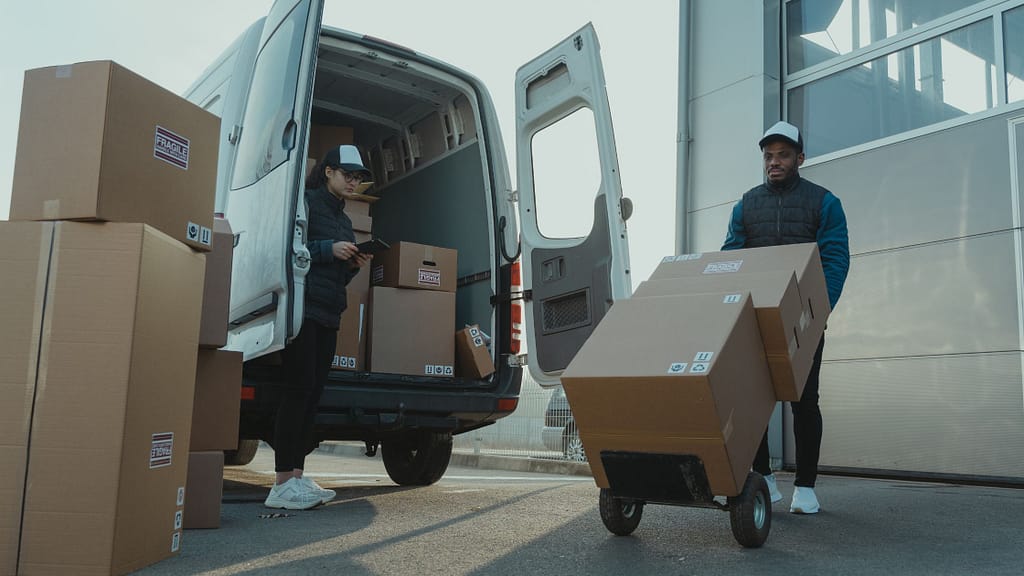
The representative you meet may be polished and attentive, but they are often not the people loading your truck. Movers, very often subcontracted, may have received little or none of what was discussed. They work fast, and unless they have clear visual cues, they’ll handle things by default, not by your preferences.
If you’re handling it yourself, knowing how to pack for a move is half the battle, and these are the moving and packing tips that protect you when something goes wrong.
Before anything leaves your home, take dated photographs of every item of value. Email them to yourself (as zipped files with a CC to yourself for the timestamp), and if you’ve packed things yourself for the movers to transport, include your packing list in that same email. This is not paranoia. It’s documentation that protects you if something arrives damaged and creates a clear record from day one.
Speaking of packing lists: label every box with a coded system. I use room abbreviations with numbers, K-1, K-2 for kitchen boxes, for instance, with a corresponding master list that tells me exactly what’s in each one. Apply those labels to both sides of every box or crate so you can read them no matter how they’re stacked. If labels peel, run clear packing tape over them.
There are also excellent apps that generate QR codes for stickers, letting you store your inventory digitally on your phone, useful if privacy or security is a concern and particularly smart for long-term storage.
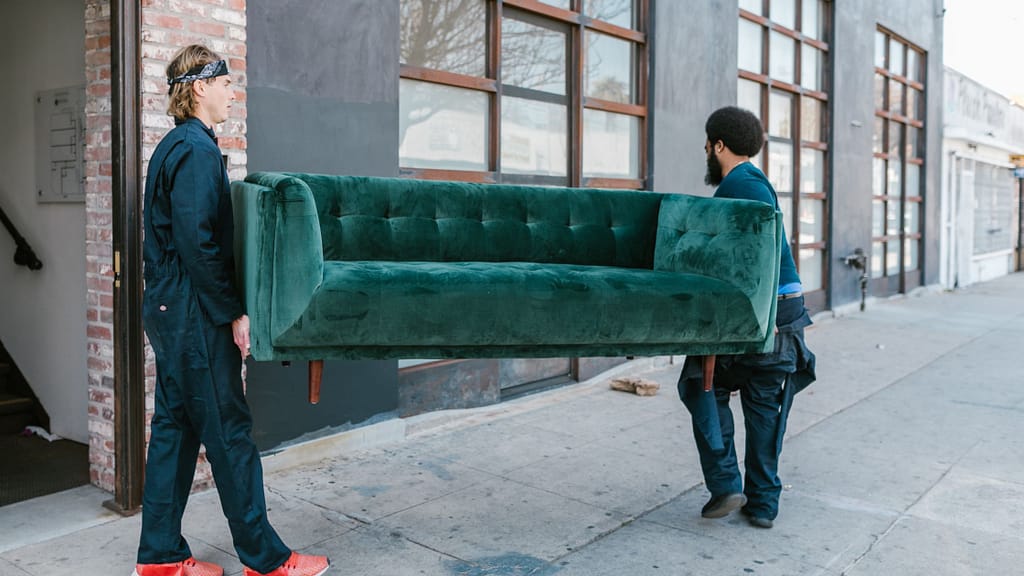
If you’re doing the move yourself, especially locally, enlist friends and family, offer refreshment-type incentives, and prepare a clear, printed diagram of the plan before moving day. You will be busy. You won’t have time to answer every question in the moment, and things will change: keys won’t work, the truck will be late, there will be a detour, and the weather will turn. Give your helpers enough information to make decisions without you.
And budget significantly more time than you think you need, at minimum, an extra day on each end of the move. This is not a suggestion. It is the single most reliable piece of advice I can give.
Also, check your homeowners’ insurance policy before the move. Many policies provide partial coverage for belongings in transit or in storage. Call your carrier, ask about deductibles and terms, and ask the storage facility the same. You may already have more protection than you think.
3. Will Storage Be Involved?
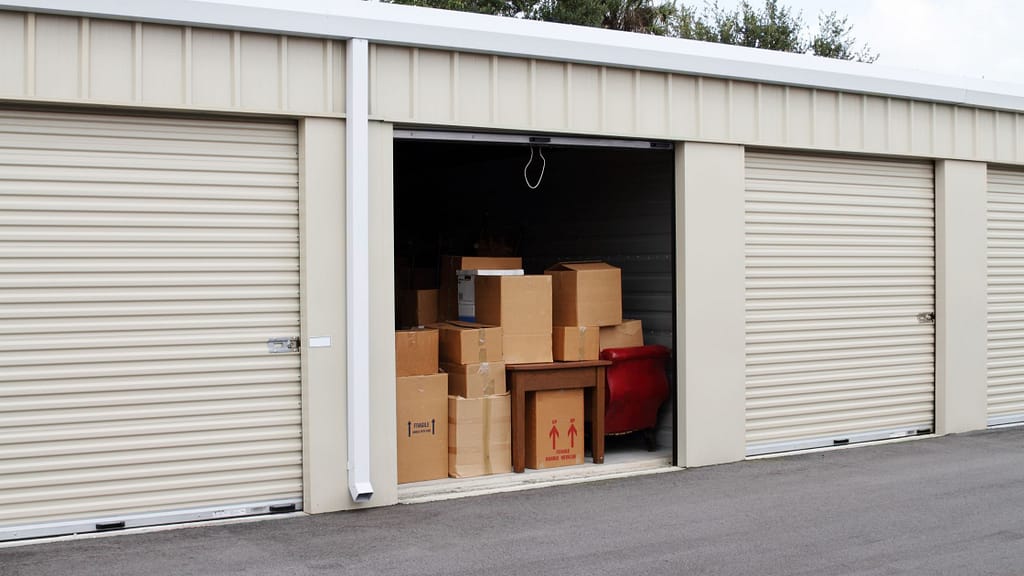
If your belongings are going into a storage unit, even briefly, treat that decision with the same care as the move itself. Not all storage is equal, and the wrong unit can damage things that the move never touched.
For wood or upholstered furniture, climate-controlled storage is worth the added cost. Uncontrolled heat and humidity warp wood, swell drawers, grow mold in fabric, and invite insects into upholstery. Climate control doesn’t mean a perfectly conditioned room. It means the air isn’t baking or freezing your things. In hot, humid climates, that distinction matters.
When choosing a unit, think physically about its position in the building. I avoid top-floor units in hot climates: they run hottest in summer, especially on the sun-facing side, and they carry higher risk of roof leaks. Ground floor is convenient, but exterior-facing units are more prone to pest intrusion. If you have a choice, go deep into the building’s interior. The environment is more stable, and you’re putting more buildings between your belongings and the outside world.
Finally, if you’re using storage, the labeling system described above becomes critical rather than merely helpful. Coded labels on both sides of every box, a master list you can search from your phone, and QR stickers if the inventory is complex or you’ll be accessing it infrequently. You will forget what’s where. The system won’t.
Answer these three questions before you pack a single thing, and the rest of the process, the tape, the blankets, the truck, the timeline, starts to fall into place. The best moving and packing tips in the world can’t help you if you skip the strategy, and the strategy starts with these. The mechanics of packing well are covered in the next post. But the strategy behind them starts here.
4. Know Who’s Liable Before You Pack a Single Box
Here’s something worth sitting with before you tape up your first box: if you pack it yourself, you’re assuming liability for the condition those items are in when they arrive, period. If a plate arrives cracked and you packed the box, that’s on you, not the moving company.
Hand the packing over to the movers, and that responsibility shifts to them — it becomes their job to pack it well, and their liability if it doesn’t survive the trip.
Either way, you may want to consider moving insurance, and scrutinize the deductible and the conditions thoroughly. Don’t just check the box that says you have coverage — actually read the fine print. Some policies cover full replacement value; others cover a token amount per pound, regardless of what the item is actually worth. Know which one you have before you need it, not after.
And once everything’s off the truck, pop over to what to do first after you get the keys so those first few days feel calm instead of chaotic. The mechanics of packing well are covered in the next post. But the strategy behind them starts here.