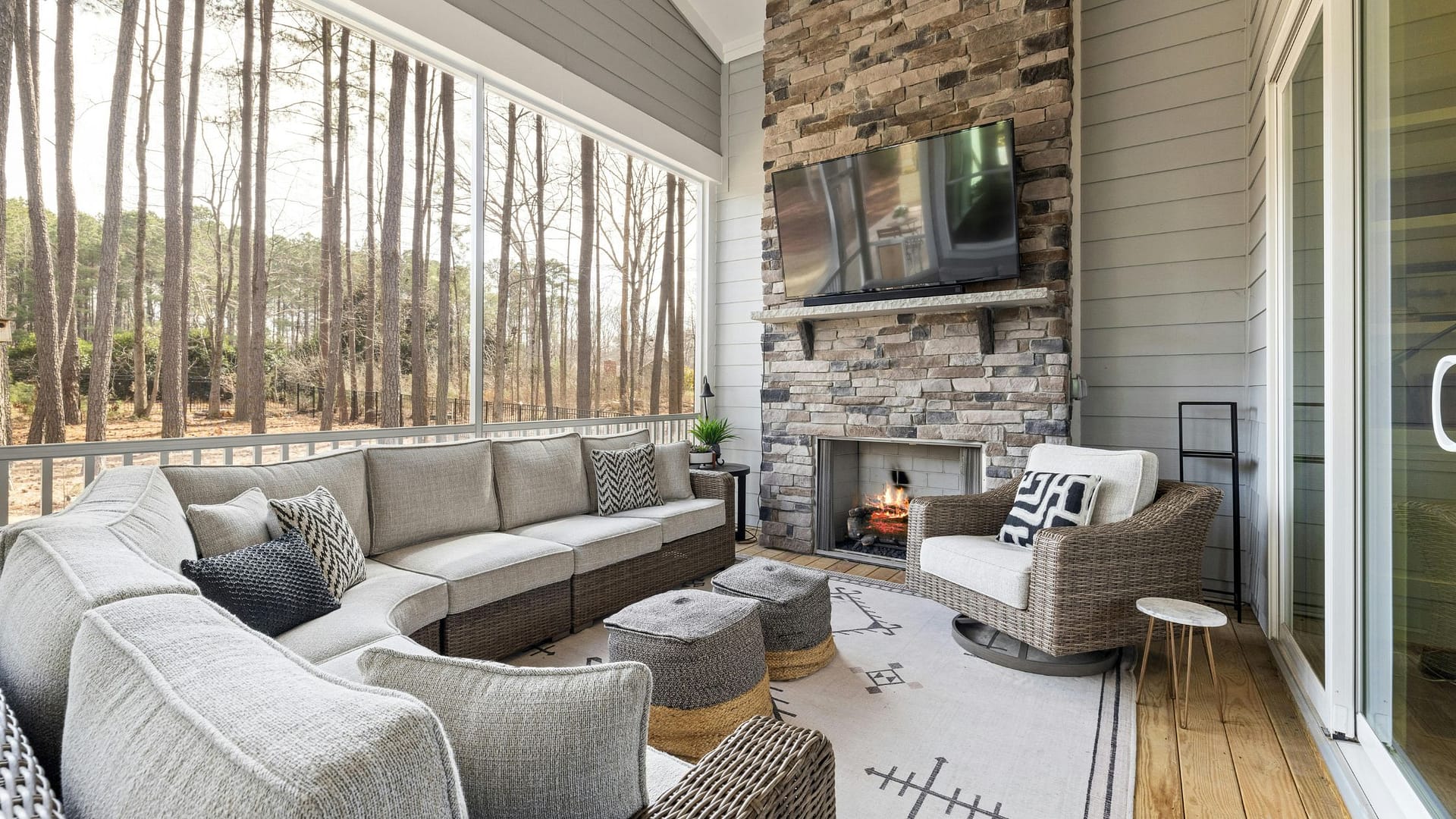
10 Interior Design Mistakes That Quietly Hurt Your Home
What homeowners overlook — and homebuyers feel instantly
If a home interior feels off or unbalanced, chances are it suffers from a collection of small, seemingly harmless decisions that quietly undermine the way the spaces feel rather than any one major flaw.
People don’t need to understand interior design mistakes to react. They feel them physically. If you live in a home where you don’t feel the design is ‘working’, it can affect your enjoyment of the home, a lack of love for it. And if you are selling your home, it can fail to capture the imagination of the touring home buyer.
As someone who walks through homes with buyers and studies how people respond to spaces as a designer, I can tell you this information is universal. It applies whether you are:
- living happily in your home now
- planning to sell soon
- or simply wanting your house to feel right again
Interior designers see these same interior design mistakes repeatedly. Once you know them, you start noticing why some rooms feel calm and cohesive, and others never quite settle.
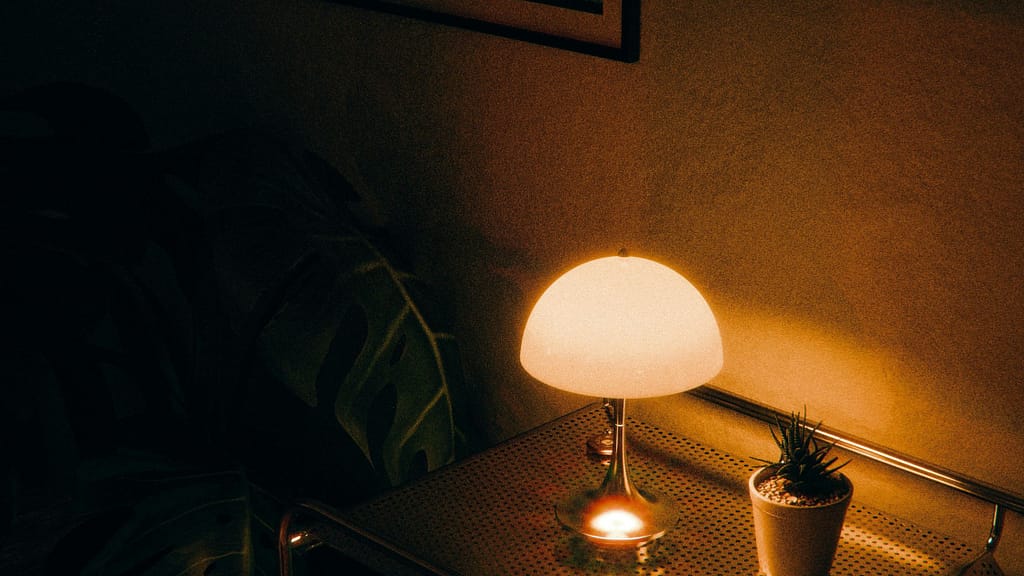
1. Lighting That Flattens Instead of Shapes
Lighting is not just about brightness. It’s about depth, mood, and visual guidance.
Spaces that rely on a single overhead fixture feel flat and exposed. Bright overhead lighting can create unflattering shadows or simply be too bright for certain times of the day. The eye doesn’t know where to rest. Colors lose richness. Even well-chosen furniture looks less intentional.
Well-designed rooms use layered lighting:
- overhead light for general orientation
- eye-level light to shape walls and seating, open up dark spaces or corners, eliminate shadows, and help with tasks
- lower light to ground the space
Consistency matters too. Mixed bulb temperatures (warm and cozy in one corner, cool and energizing in another) used at the same time create subtle unease. People may not articulate why a room feels uncomfortable, but their bodies register it. Thoughtful layered lighting is also one of the simplest tricks for how to make a room feel bigger, because it draws the eye outward to the edges of the space rather than collapsing everything under one harsh source.
A well-lit room feels composed. A poorly lit one feels unfinished.
2. Furniture That’s the Wrong Scale for the Room
You can own beautiful furniture and still have a room that feels wrong.
Scale isn’t about size alone: it’s about relationship:
- furniture to room volume
- furniture to people
- furniture pieces to each other
Oversized sectionals choke circulation or make a room or space feel small because it feels inadequate. Undersized chairs feel apologetic or lonely. Coffee tables that are too small visually disconnect a seating group – making it feel like a collection of separate objects.
A common instinct, pushing all furniture against the walls, actually creates the opposite of good flow. It creates an unease that makes people want to rush through the space quickly. It also can appear as if there’s an effort to squeeze every last inch of space out of the room, which might actually be the case, and it becomes more noticeable. Let the furniture ‘settle’ and relax: each piece should confidently occupy its own place and be allowed to shine.
When scale is correct, the room feels calm without being sparse, generous without being wasteful.
3. Furniture Layouts That Fight Natural Movement
Your home shows people how to move through it, and your furniture layout is what teaches them.
When a furniture layout blocks natural walking paths from entry to kitchen, sofa to hallway, door to window, the space becomes subconsciously stressful. People squeeze sideways. They hesitate. They can see where they want to go, but they can’t easily get there – creating unease.
This isn’t just a design issue. It’s a livability issue.
A good furniture layout means:
- clear, readable pathways
- No furniture blocking doors or sightlines
- space to stand, sit, and pass comfortably
Homes with poor flow always feel smaller than they are. With poor flow, the brain registers a collection of smaller unconnected spaces or rooms rather than a larger cohesive space, and buyers feel that immediately, too. If you’ve been wondering how to make a room feel bigger without knocking down walls, rethinking the furniture layout is almost always the highest-impact place to start.
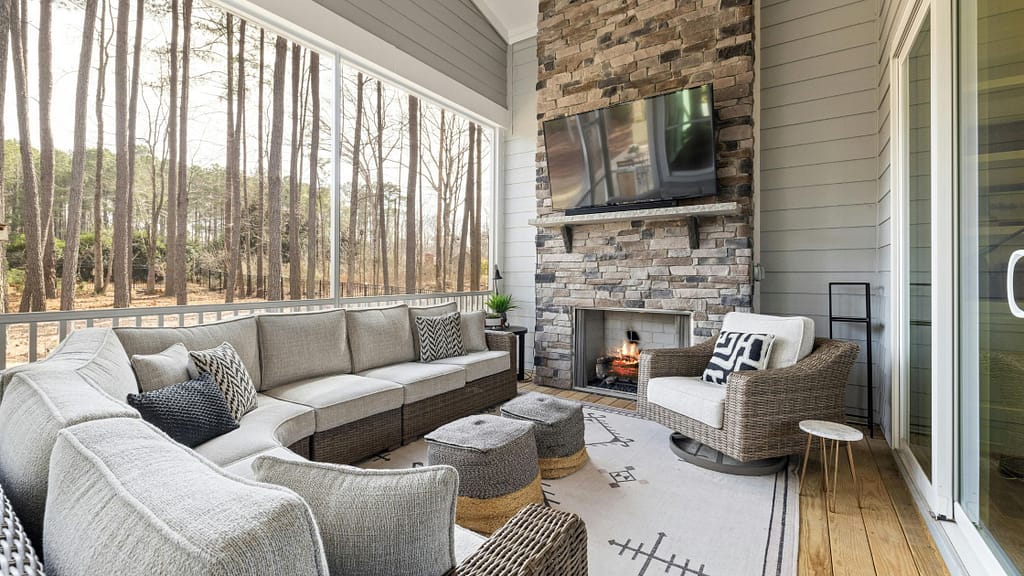
4. Visual Clutter That Erases Your Best Features
Clutter doesn’t just look messy. It can be overwhelming and induce stress because it’s chaotic.
When every surface is filled, nothing is important. Architectural features and focal points disappear. Expensive finishes go unnoticed. Even good furniture loses its visual power.
Designers understand that negative space is not emptiness; it’s breathing room or balance.
Editing a room almost always improves it more than adding another decorative object.Even small changes, like the kind covered in how to upgrade a kitchen on a budget, can transform how a space feels without major renovation.
A space feels confident when it’s not trying to explain itself.
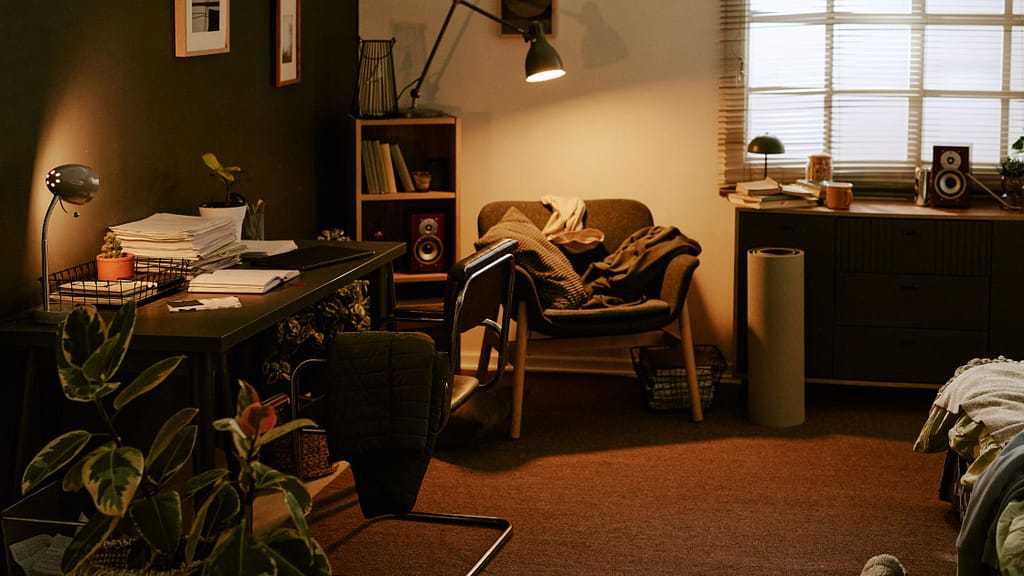
5. A Home Without a Design Language or Concept
When every room is designed in isolation, the home feels fragmented.
This doesn’t mean everything must match. It means:
- repeating colors, materials, or proportions
- consistent visual weight from room to room
- a sense of progression rather than interruption
Homes with no through-line often result from impulse decisions made room by room. Buyers sense this immediately, even if each space looks “nice” on its own.
Cohesion makes a home feel intentional, grown-up, and trustworthy because there’s an overall plan. It gives the home an identity and the homeowner a story.
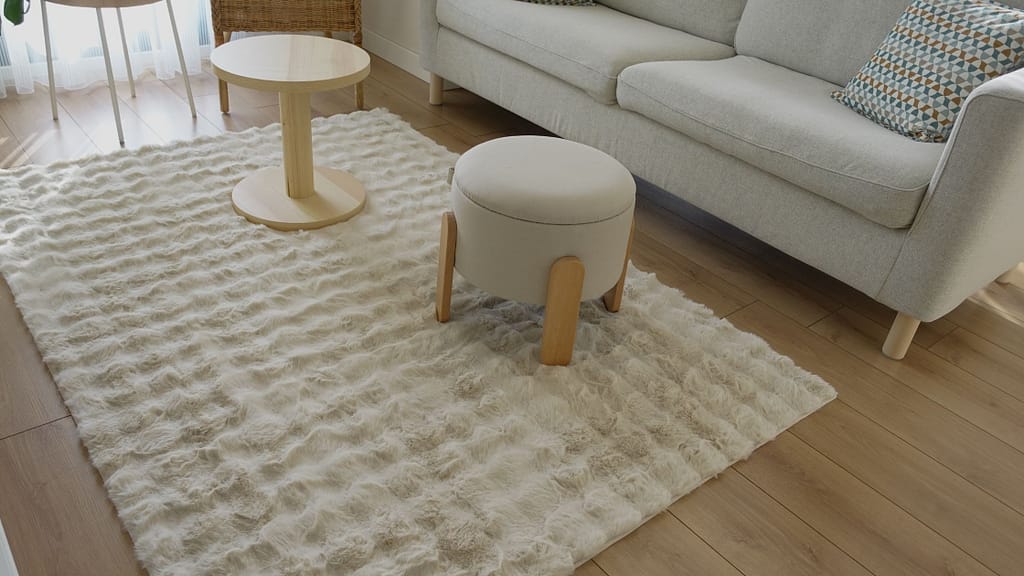
6. A Rug That’s Too Small for the Space
An undersized rug does more damage than people realize.
Instead of reaching out and gently and confidently pulling furniture together into a unified setting, it creates a collection of isolated pieces plus a rug floating awkwardly in the middle.
The result:
- visual unease
- broken scale
- a room that feels unplanned
A properly sized rug anchors the furniture and allows the eye to read the arrangement as one intentional composition.
7. Curtains Hung Too Low or Too Narrow
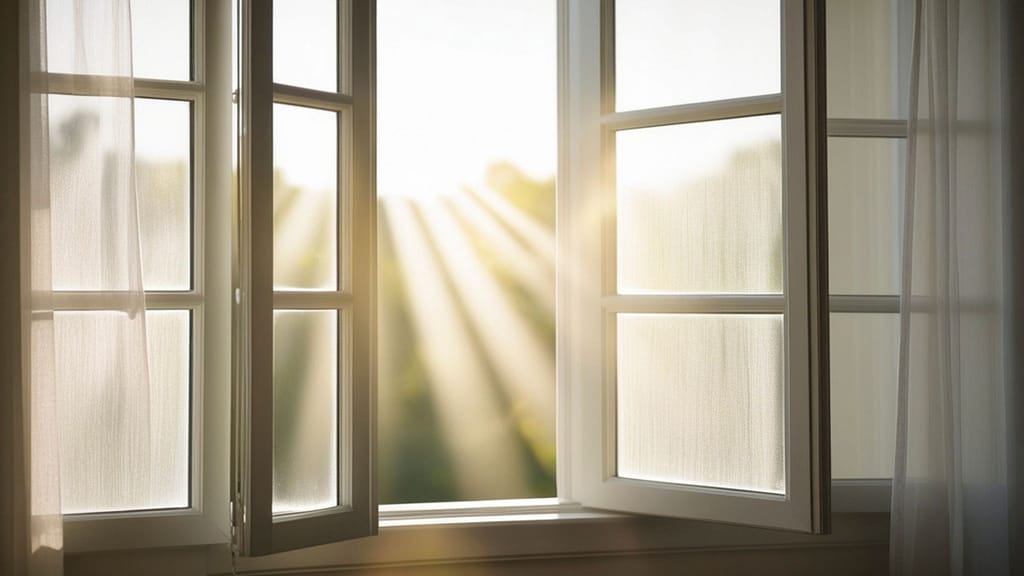
Curtains define how tall and generous a room feels.
When they’re hung at the top of the window frame and barely wider than the glass, the window feels smaller, lower, and no more than a hole in a wall. The whole room loses vertical energy.
Full-height curtains, mounted higher and wider, do something powerful:
- they visually stretch the room from floor to ceiling
- they give a window more prominence as if they are being framed by the curtains and act together as a unit
- they give the space a sense of generosity and calm, rather than feeling miserly
This is one of the simplest answers to how to make a room feel bigger — without renovating anything.
8. Badly Executed Paint Work
Paint, similar to rugs, is usually meant to be the background, not the focal point. Its purpose is to set the stage, define, and unify the mood of a room.
When wall or ceiling paint is badly executed, or colors are mismatched or ill-paired, it always draws the eye or creates tension. We expect walls to be flawless and quiet. When they aren’t, nothing else in the room can fully recover.
Common giveaways:
- sloppy cut lines
- visible roller marks
- drips or flashing
- uneven coverage
Poor paint execution cheapens everything around it and undermines otherwise thoughtful design choices.
See how to paint a room correctly on one of our latest blog posts.

9. TVs and Artwork Hung Too High
This is one of the most common interior design mistakes, and it affects both comfort and proportion.
When the hanging artwork height or TV mounting height is too high:
- viewers must tilt their heads back and strain their necks
- the person feels small, as if the TV or artwork isn’t meant for you
- the wall feels top-heavy
There’s also a psychological element: less space between the top of the object and the ceiling visually compresses the room, making it feel shorter.
As a general guideline for hanging artwork height, the center of the piece should sit approximately 5 to 5 feet 2 inches from the floor the average standing eye height. This is a widely accepted design industry standard used by galleries and designers alike. TV mounting height can follow this guideline as well, though TVs are often placed a bit lower when viewing is primarily done while seated on a standard-height sofa.

10. Masking Odors Instead of Eliminating Them
Using plug-in diffusers to cover smells is a common mistake homeowners make — especially when selling.
It communicates several things at once:
- there’s a problem
- it hasn’t been addressed
- and the visitor is expected to tolerate mixed scents
Worse, artificial fragrances can:
- trigger headaches or allergies
- create suspicion
- distract rather than soothe
Smell, like light or sound, should be gently positive or neutral. The goal is clean fresh air — not scent.
Nothing damages trust faster than a home that smells like it’s hiding something.
Final Thought: Good Design Provides a Feeling of Ease
The most successful interiors don’t announce themselves.
They feel settled. Balanced. Easy to be in.
Most of these interior design mistakes aren’t about taste or budget. They’re about alignment between scale, light, movement, honesty, and care, elevating the functional to something that inspires and excites.
Fixing even a few of them can dramatically change how your home feels to live in or how long home buyers linger.