9 Things I Wish I Knew Before Buying a Fixer-Upper
Editor’s note: This guest post shares a first-time buyer’s personal experience renovating a fixer-upper, including the lessons they learned along the way.
Buying a fixer-upper sounds exciting until you are standing in the middle of a half-renovated house wondering how paint, flooring, plumbing, and surprise repairs all became urgent at the same time.
When I got the keys to my first house, I walked through the door thinking, “This is it. This is my blank canvas.”
I was wrong.
What I actually got was a crash course in buying a fixer-upper as a first-time buyer. Some lessons were expensive, some were stressful, and a few genuinely helped me make better decisions.
So if you are thinking about buying a house that needs work, here are the things I wish I had known before signing.
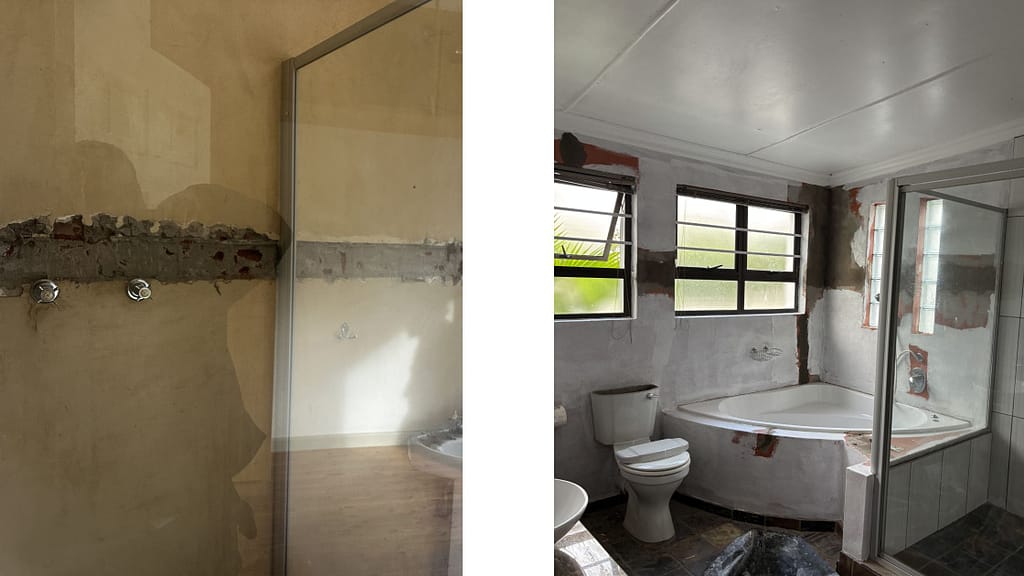
Lesson #1: Add More to Your Budget Than You Think You’ll Need
Whatever number you think you’ll spend on renovations, add 20 to 30 percent on top. Then cross your fingers and hope you don’t need it.
When I first walked the property, I did a rough mental calculation: new flooring, paint, and a few fixes. Seemed manageable. Then I started gutting walls and found problems nobody warned me about. Plumbing that needed replacing. Electrical work that wasn’t up to code. Structural issues were hidden behind what looked like cosmetic damage.
This is the reality of buying a fixer-upper: walls hide secrets.
Every contractor I hired seemed to uncover something new once they started work. Hidden rot, inadequate foundations, surprises in the attic. It’s not just about the work you plan, it’s about the work you didn’t plan for.
My advice: Set a budget, then create a contingency fund. I wish I’d done it up front instead of scrambling halfway through. You’ll thank yourself when the surprise shows up.

Lesson #2: Research Real Costs Before You Commit
Before you even make an offer on a property, pick up your phone.
Call flooring companies. Call painters. Call plumbers. Ask them: “What would it cost per square foot to refinish flooring? To paint? To replace pipes?” Get real numbers, not guesses. Then, and this is important, go view the actual property with a measuring tape or someone who knows how to use one. Measure your rooms. Do the math. Figure out if this house is worth the investment before you commit.
I didn’t do this. I saw potential and made an offer based on gut feeling and rough estimates. When I actually got quotes after closing, the numbers didn’t match my mental picture. At all.
Don’t make my mistake. Spend two hours on the phone before you sign. Measure the space. Do basic math on whether buying a fixer-upper makes sense for your budget. It’s the difference between a smart investment and a financial headache.
Lesson #3: Don’t Bank on the Promised Closing Date
Here’s something nobody really prepares you for. Property transfers can take longer than expected.
The closing date you agreed on? It’s more of a suggestion than a guarantee. I learned this the hard way. My transfer got delayed by weeks of legal paperwork, title issues, and delays on the seller’s side. I’d already given notice to my landlord, planned my reno timeline around getting keys on a specific date, and arranged my finances around that schedule.
Then the date slipped. Then it slipped again.
If you’re buying a fixer-upper, your timeline is already tight. You want to start renos, you’ve got contractors lined up, maybe you’ve arranged temporary housing. A month’s delay throws all of that off. Budget for it financially, make sure you have a cushion for unexpected rent, storage costs, or contractor delays. And plan your reno timeline assuming the keys arrive later than promised, not on schedule.
I wish I’d built in a buffer. Live-in costs, storage fees, contractor rescheduling, it all adds up when you’re caught off guard. Assume delays happen, plan accordingly, and you’ll be fine.
Lesson #4: Get Your Furniture Out of the House
Get your furniture out. All of it.
I thought I could work around some of my belongings. Keep the dining table in place, store boxes in the corners, leave a bed in the master. Seemed efficient. It wasn’t.
Contractors work slower when your life is in the way. They have to be careful not to damage your couch. They can’t move freely through the space. And dust, holy dust, gets into everything. Your furniture becomes a repository for construction debris. And guess what? Renovations take longer because nobody can work efficiently.
Do yourself a favor: get a storage unit or move everything to a garage, a friend’s place, anywhere but your house. The cost of a small storage space for three months is worth the time and stress you’ll save. Your contractors will thank you, your timeline will thank you, and your furniture will arrive on moving day in the condition you left it.

Lesson #5: Prioritize What Actually Adds Value
When you’re on a budget, not all renovations are created equal.
Focus on the work that adds real value to your home and improves your quality of life before you move in. Fresh paint, new flooring, working plumbing, and new windows if they’re broken. These are the jobs that matter. They’re also the jobs you don’t want to do after you’ve moved your furniture in.
Cosmetic upgrades can wait. Fancy light fixtures, tile backsplashes, and built-in shelving are nice, but they’re not priorities when you’re buying a fixer-upper on a budget.
I spent money early on things that looked nice but didn’t move the needle. Meanwhile, I pushed off practical work that I ended up having to navigate around once I was living in the space. Learn from me: floors, fresh paint, piping, windows. Get these right, get them done before moving day, and you’ve set yourself up for success.
If painting is one of your first projects, GPI’s painting guide is a good place to start before you pick up a brush. It can help you avoid the rookie mistakes that make a simple job more expensive than it needs to be.
Lesson #6: Check the Kitchen Bones First
The kitchen is the most expensive thing you can renovate in a house.
I’m not exaggerating. If you’re buying a fixer-upper and the kitchen needs a full overhaul, your budget just went through the roof. Cabinetry, countertops, appliances, plumbing, electrical, and kitchens are a nightmare of interconnected systems, and every upgrade ripples into unexpected costs.
Before you fall in love with a property, honestly assess the kitchen bones. Does it have a good structure? Is the layout functional? Can you salvage what’s there and update cosmetics, or does it need a complete rebuild? If it’s the latter and you’re on a tight budget, that might be your signal to keep looking.
A kitchen with good bones can be refreshed affordably. A kitchen that needs gutting will drain your entire renovation budget and probably your patience, too.
Lesson #7: Live in the Space Before You Decorate
Don’t do a massive home furnishings spree before you move in. I’m begging you.
It’s tempting. You imagine the space, you get excited, and then you spend $5,000 on artwork, throw pillows, tables, and decorative pieces that you just know will be perfect. Then you move in and realize they don’t work with the light, they clash with the paint color you chose, or they just don’t fit the space the way you thought they would.
Here’s what I learned: it takes a special person to see the vision from the beginning. Most of us need to live in the space, understand how light moves through it, and feel how the room actually functions. Then we add decor.
Get your bones right. Fresh paint, new flooring, functional furniture. Live there for a month. Then go shopping. You’ll make better choices, you’ll spend less, and you’ll actually love what you end up with.
Lesson #8: Get Three Quotes (And Don’t Just Pick the Cheapest)
Get three quotes. Full stop.
Don’t just take the lowest number and run with it. Investigate all three. Ask for portfolio pictures. Read reviews. Check references. Sometimes the cheaper quote is cheap because the contractor cuts corners or works slower. Sometimes it’s cheap because they’re new and building their portfolio. Sometimes it’s cheap because they actually just run an efficient operation.
The difference between the lowest and middle quote can save you thousands on your fixer-upper project. But you have to do the legwork. Look at past work. See if it’s quality. Talk to previous clients. If it checks out, the cheaper option might be genuinely good value.
I got three quotes on a major project. The lowest was $1,000 less than the highest. The contractor with the lowest quote had incredible reviews and a portfolio that proved their quality. They were my choice, and they delivered exactly what I needed. That’s how I learned the power of doing your homework.
Lesson #9: Get the Renovation Order Right

The sequence of renovations matters more than most people realize.
Windows first if they need replacing. Then, the painting prep work and first coats. Then, the flooring installation. Then, the final paint coats. Why? Because painting prep is dirty and messy, and will damage fresh floors. And floor guys can absolutely wreck fresh paint if they’re not careful.
I had a contractor suggest we reverse the order to “save time.” We didn’t do it, and I’m grateful. The moment painting prep started, I understood why the sequence mattered. Dust everywhere, prep materials scattered, sanding going on. If new flooring had already been installed, it would have taken a beating.
Get the order right. Windows, paint prep and base coats, floors, and final paint. It sounds simple, but it’s the difference between a smooth process and chaos.
The Takeaway
The biggest thing I learned is this: buying a fixer-upper is not just about seeing potential. It is about knowing what that potential will actually cost.
A house can still be a great buy, even if it needs work. But you need real numbers, realistic timelines, the right order of renovations, and enough breathing room in your budget for the problems you cannot see yet.
If you go in prepared, a fixer-upper can become the home you pictured from the beginning. Just do the boring homework first. Measure the rooms. Get the quotes. Check the kitchen. Build in delays. And please, get the furniture out before the dust starts.

For more practical renovation planning, repair ideas, and home improvement tips, explore the latest guides on Great Property Ideas or check out the socials on Pinterest.